International Women's Day: women who bring color to our monuments
Null
In honor of International Women's Day on Sunday, March 8, we celebrate the achievements, strength, and influence of four women who left a lasting impression on the monuments they were involved with. These four remarkable women were inspirers, protectors, and stewards, each contributing in their own way to the preservation and vitality of cultural heritage.
From the 15th-century chatelaine Yolande de Lalaing, who managed Brederode Castle, to Alma Ochs, who founded Museum Veere in the Schotse Huizen and made art accessible. From the generations of women who shaped Slangenburg Castle with family and traditions, to Ina de Beer, who recently managed Radboud Castle for decades and kept it viable for visitors and official receptions.
These women demonstrate that monuments are more than just stones and roofs: they are places where women exerted influence, made choices, and kept history alive. Their stories continue to inspire us today. By sharing their stories, we keep their legacy alive.
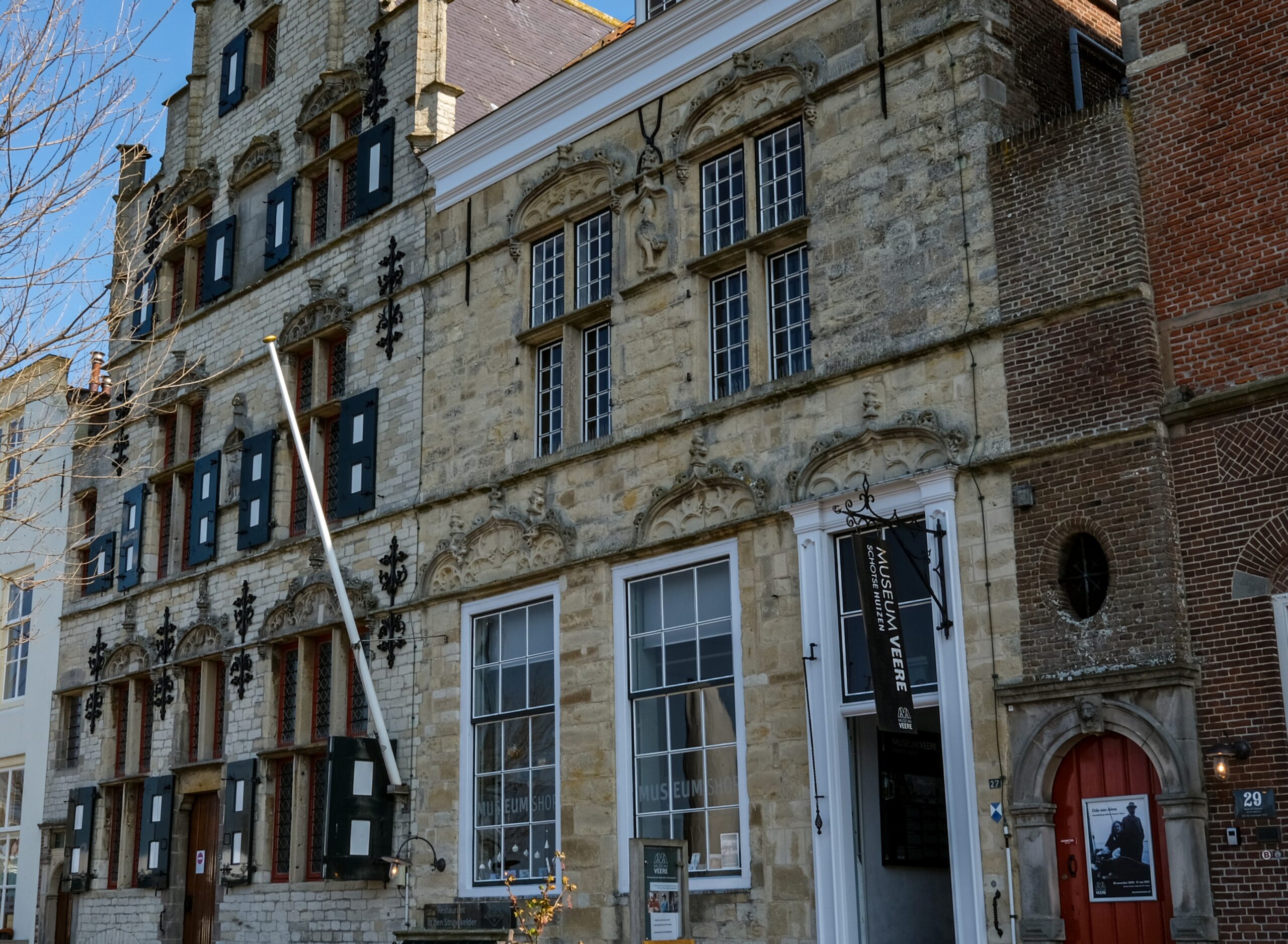
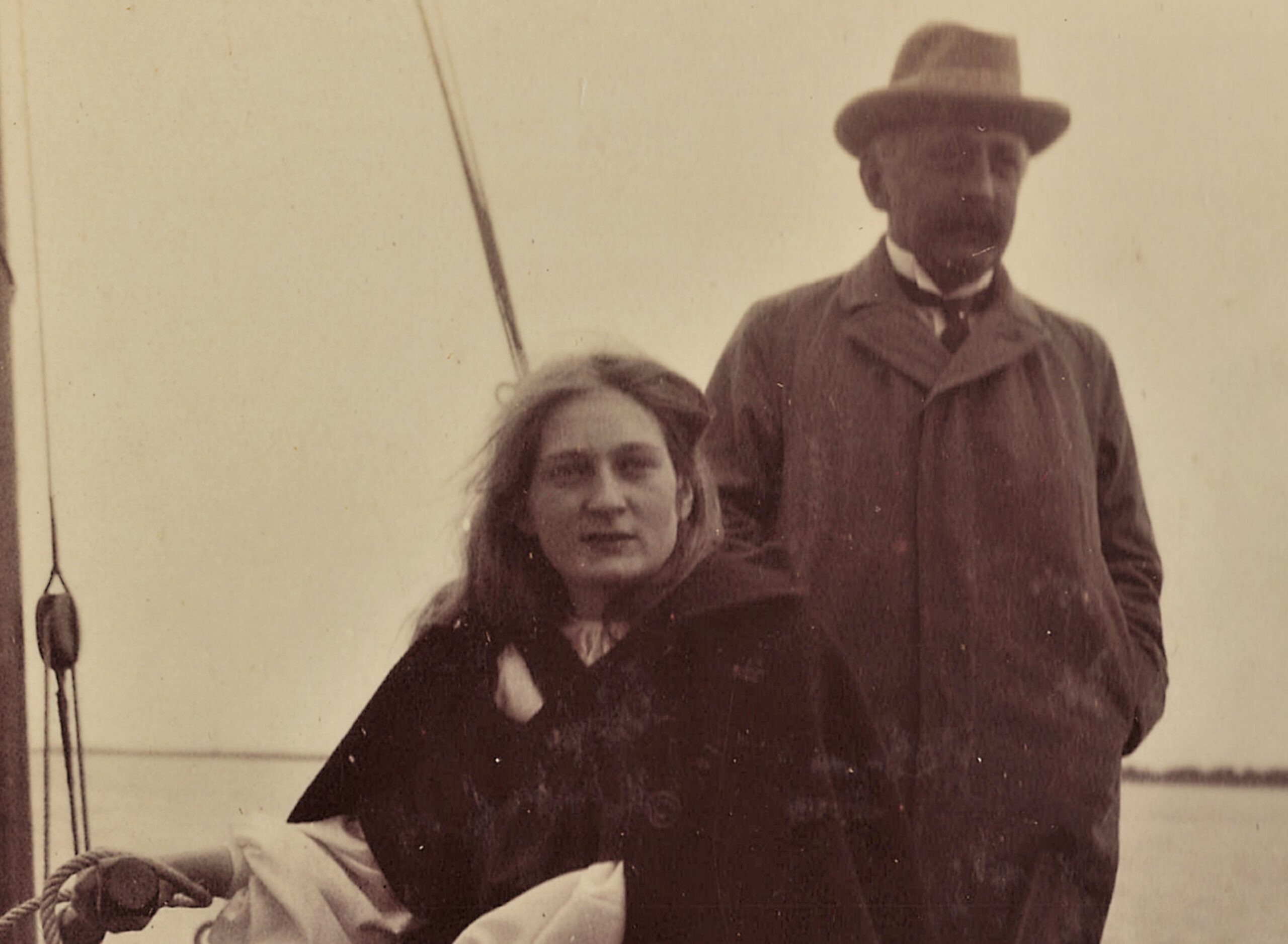
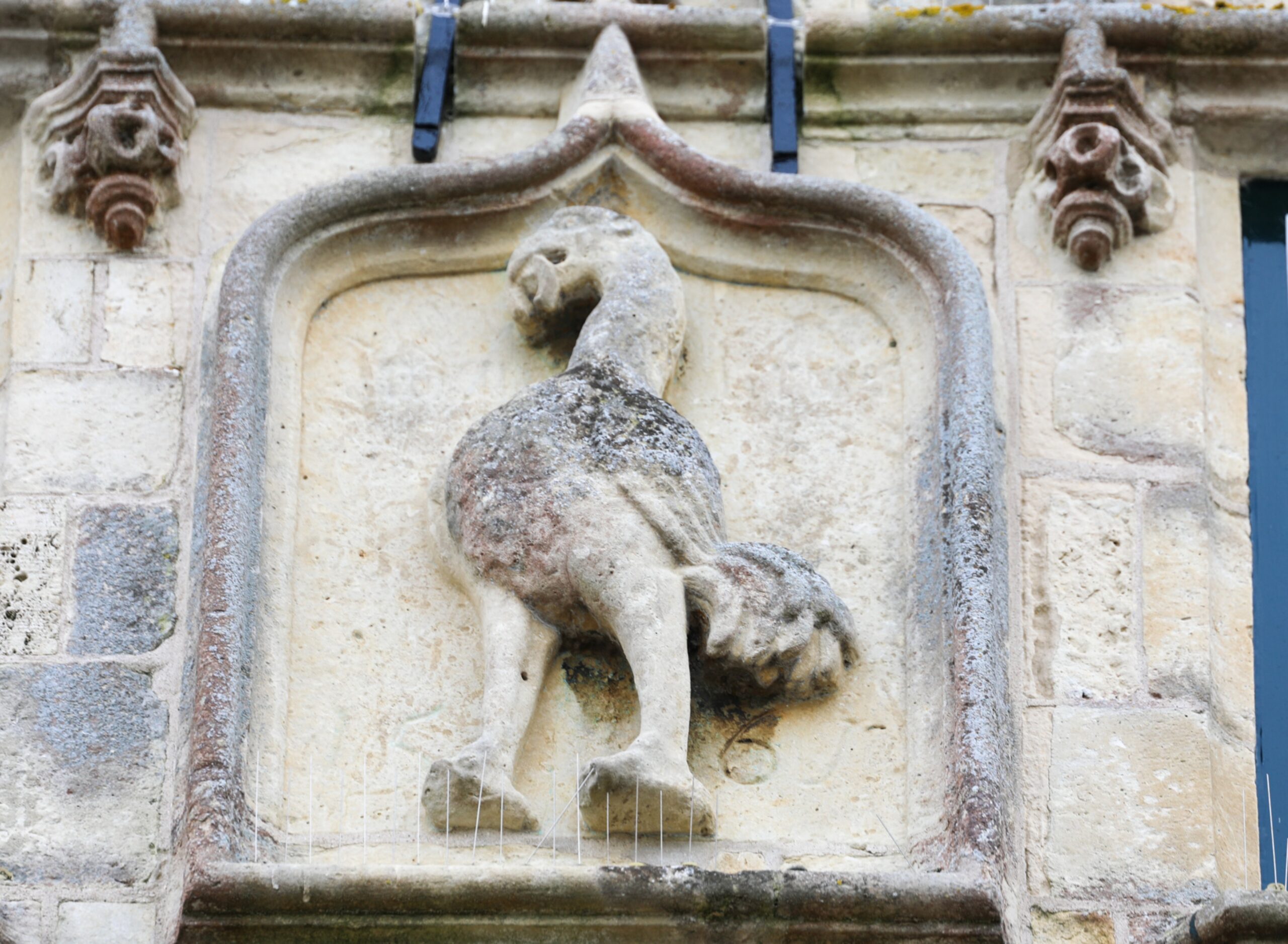
 Alma Francis Ochs was the daughter of English diamond merchant and art collector Albert Lionel Ochs (1857-1921). In 1896, her father purchased one of the Scottish Houses on the Kaai in Veere: De Struys, a characteristic 16th-century building with a rich history and striking facade. Under the inspiring leadership of Albert and later Alma, De Struys grew into a beloved meeting place for artists from home and abroad.
Alma studied art history in London. She spent her summers in Veere, where, from 1919 onwards, she assisted her father with his sales exhibitions at De Struys. When Albert died at the end of 1921, Alma, who had become very attached to the town of Veere and the traditional costumes of Zeeland, decided to continue his work. She regularly welcomed well-known artists. In addition, she organized exhibitions every year and further expanded the art collection. Among other things, she built up an extensive and carefully curated collection of Zeeland regional costumes.
Alma's efforts were not only focused on collecting, but also on making art and culture accessible to a wide audience. In 1947, Alma bequeathed her house and collection to the Dutch State, on condition that De Struys and Het Lammeken would become a museum. In doing so, she laid the foundation for what would later become the museum in the Schotse Huizen, which to this day showcases the cultural heritage of Veere and Zeeland: Museum Veere. Alma's legacy reflects her lifelong dedication to art, history, and Zeeland identity.
The Scottish Houses
Albert and Alma Ochs-Oakes
De Struys on the facade
 Yolande de Lalaing was born around 1422, the daughter of nobleman Willem de Lalaing. Her father was first bailiff of the Duke of Burgundy and later stadtholder of the Low Countries in his name. Yolande grew up in the highest aristocratic circles. At the age of 22, she was married to Reinoud II van Brederode. The couple lived at Batestein Castle in Vianen. Brederode Castle in Santpoort was assigned to Yolande as a 'dowry' upon her marriage. In other words, after Reinoud's death, Yolande would own the castle and the estate. The couple ensured that the damaged castle was made habitable again. This was done in stages, starting with the north wing.
After Reinoud's death in 1473, Yolande was left alone with six children and a cousin who was eyeing the inheritance. Her cousin, Reinier van Broekhuizen, succeeded in conquering Vianen and Batestein. Using a ruse, he captured both her son Walraven and two of her sisters. Yolande retired to her widow's estate, Brederode Castle. Officially, she had resigned from her public functions, but behind the scenes she continued to do everything she could to secure good positions for her children.
In 1493, Brederode was plundered. Despite the ransom paid by Yolande, the troops did not leave without causing considerable damage. Her refuge became uninhabitable. Yolande, the last chatelaine of Brederode, left for Batestein, where she died in 1497. Yolande left behind a beautiful book of hours. The book was commissioned by her in 1460. She is depicted in the book herself, and on the opposite page you can see her four daughters.
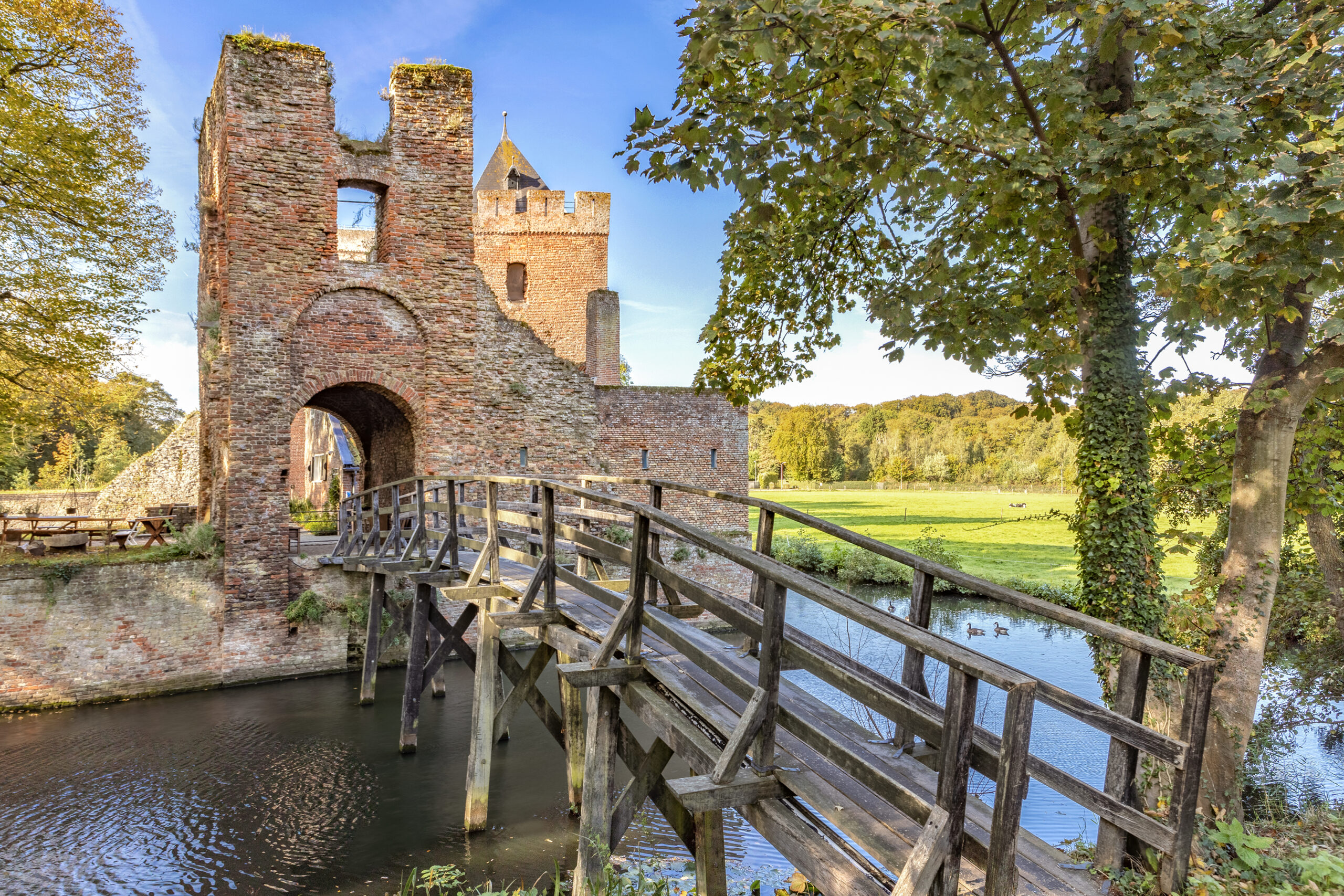
The Ruins of Brederode
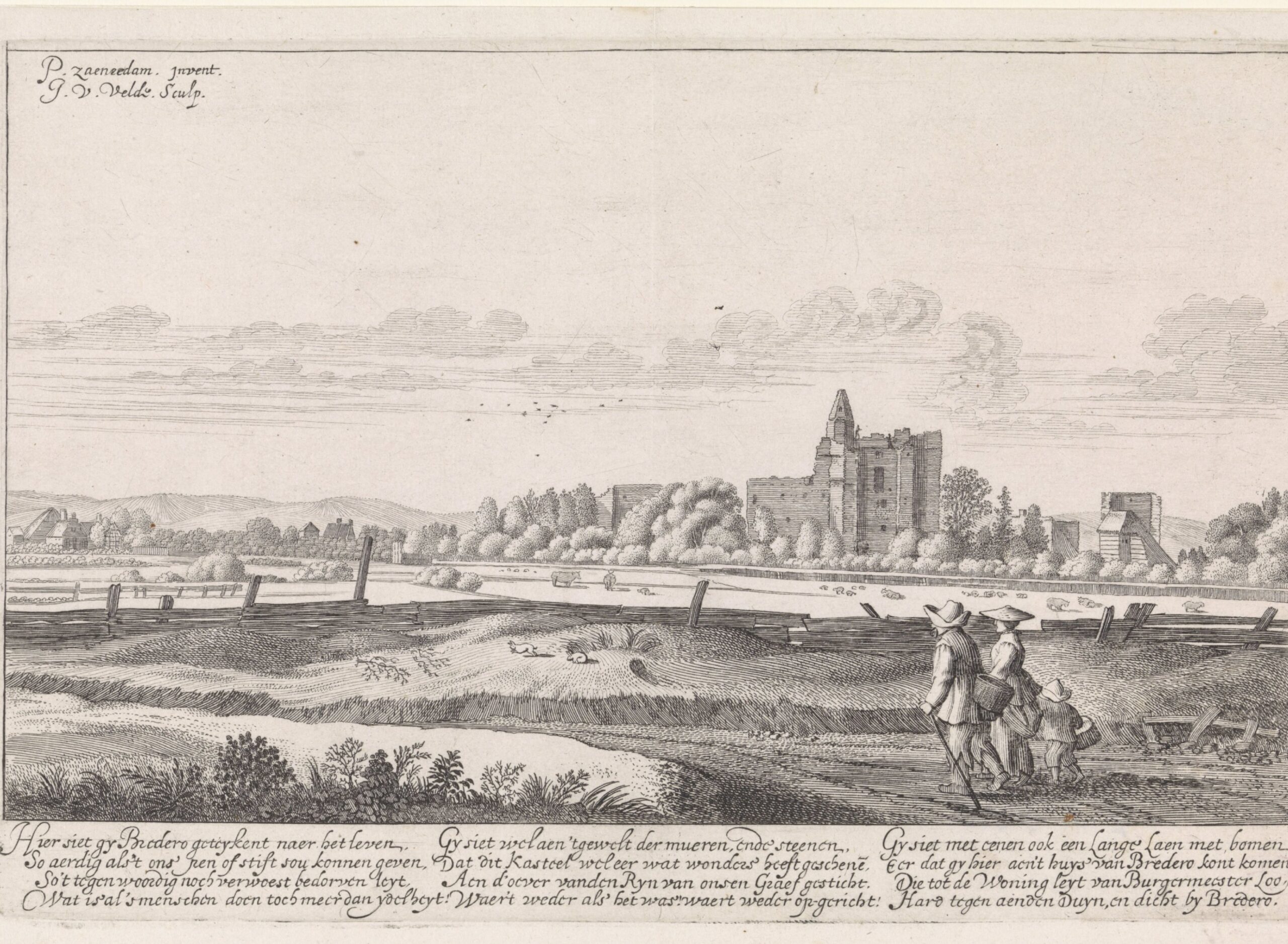
The Ruins of Brederode around 1628. Jan van de Velde - Rijksmuseum Collection
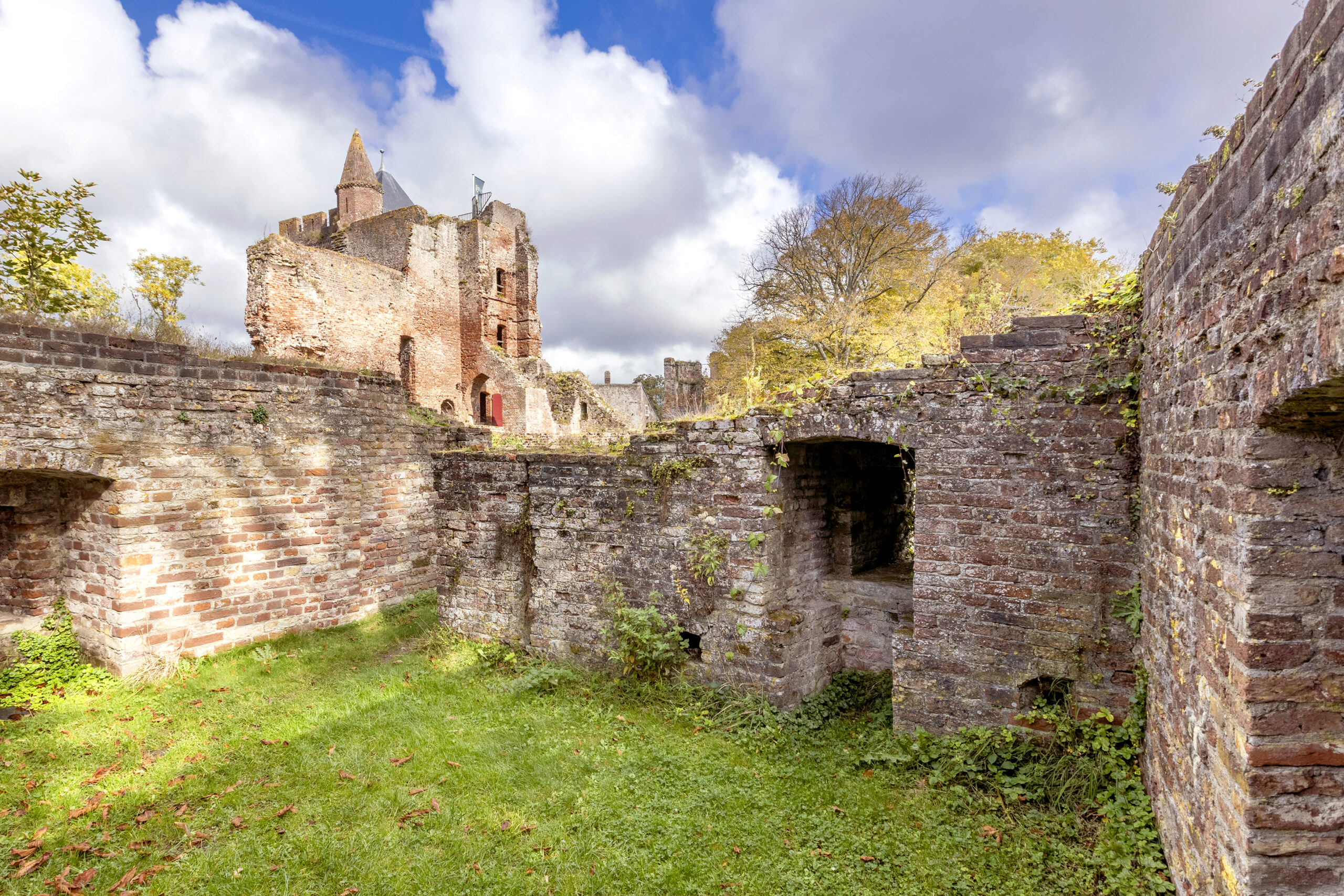
The Ruins of Brederode
 In 1873, Wilhelmine Tinchon married Kommerzienrat Arnold Passmann. In 1895, the couple purchased Slangenburg Castle. The castle was used as a summer residence and for various family occasions. The couple had four sons and two daughters. Arnold was often away from home, which meant that Wilhelmine was largely responsible for caring for the children. She was assisted in this by three servants: Sibella Sassenbach, Emma Weinert, and Lina Torwelle. The servants traveled with the family to the castle. Wilhelmine was known to be particularly frugal. For example, toilet paper was cut from newspaper and the children were given rye bread with fat to eat during the week. At the same time, Wilhelmine was proud and unapproachable. When she was returning to Germany after a stay at Slangenburg during the First World War (1914-1918) and was stopped at the border, she refused to get out of the car. 'Ein Kommerzienrätin steigt nicht aus' (A commercial councillor does not get out), she is said to have said.
Born in 1880, Gertrud Passmann was Arnold's favorite child. Arnold was therefore inconsolable when 'seine ganze Liebe' died of food poisoning in 1901 after eating oysters in the capital. She was initially buried in the crypt in Duisburg, but in 1904 she was reburied in the cemetery near Slangenburg, which her father had designed. After his death in 1919, Arnold was buried next to his favorite daughter.
In 1903, Wilhelmine and Arnold's eldest son, Hermann, married Irmgard Henning. The couple had two sons and a daughter. The sons, Hermann and Wilhelm, both died at a young age. Their daughter Edith was the sole heir. In 1929, she married Rudolf Carl Otto Horst (Otwin), Freiherr Rüdt von Collenberg. The grand wedding celebration took place at Slangenburg Castle. The family spent a lot of time at the castle in Doetinchem.
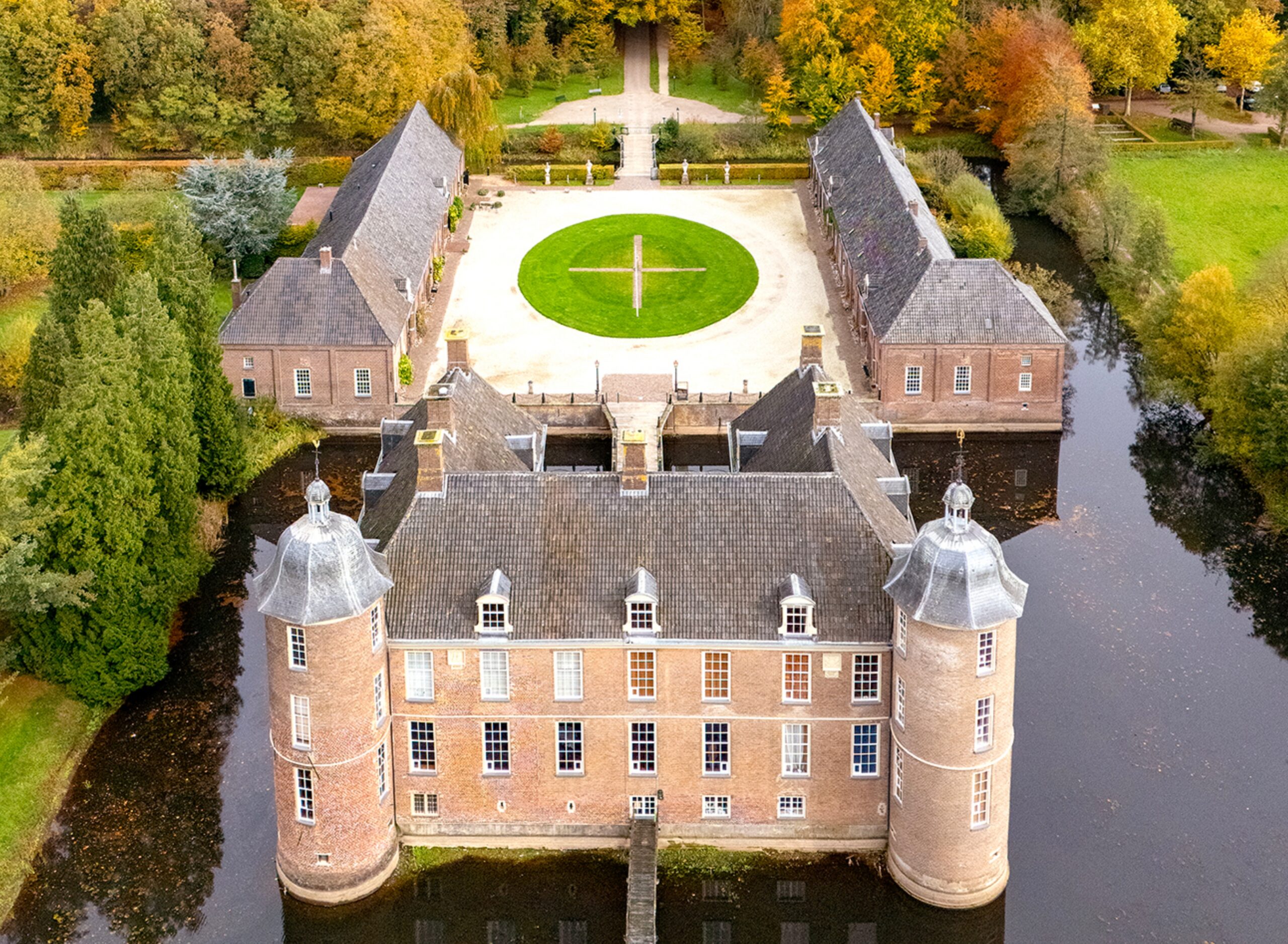
Kasteel Slangenburg
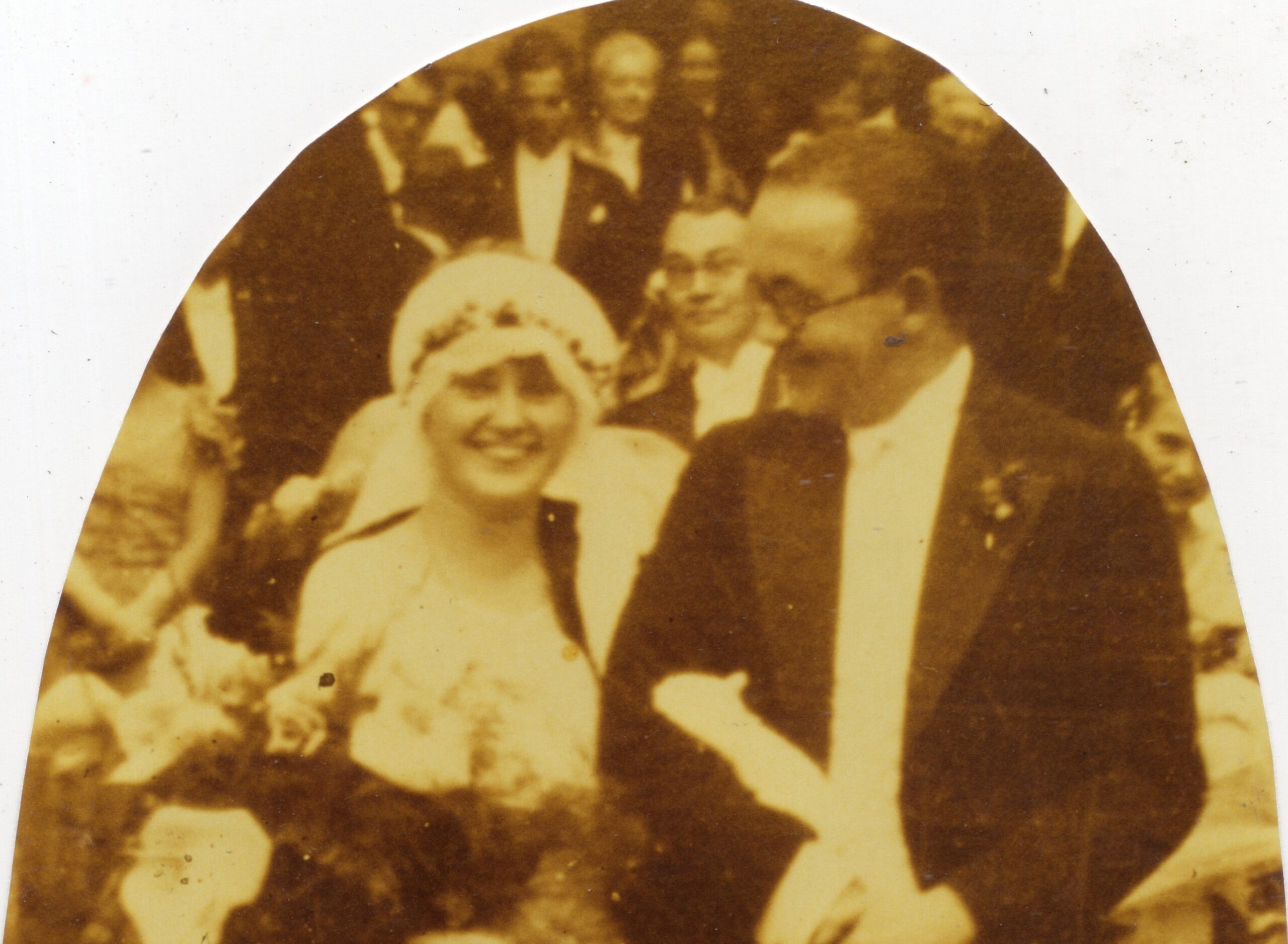
Wedding photo of Edith Passmann and Otwin Rüdt von Collenberg
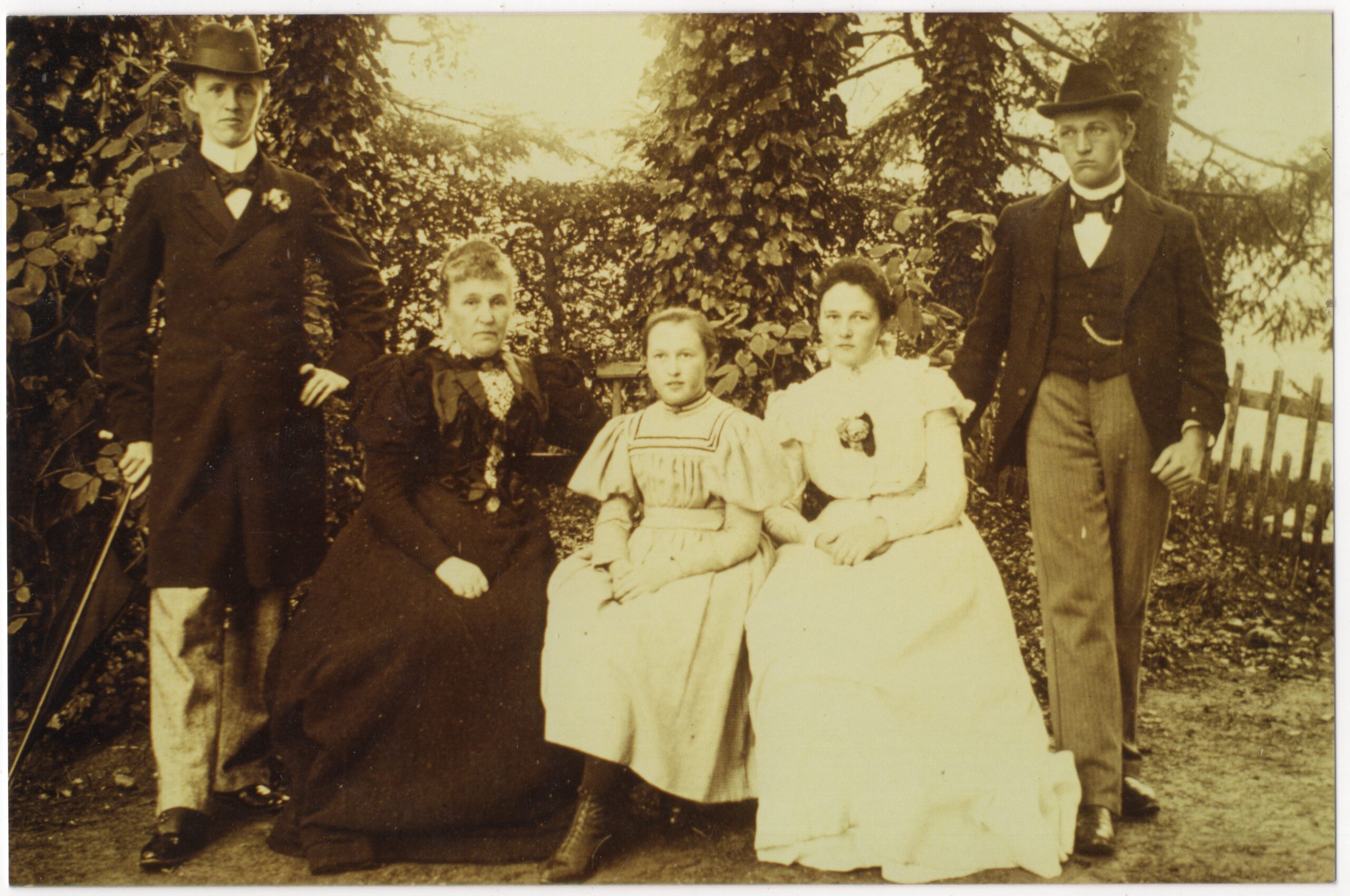
The Passmann family in the castle garden, around 1900. Gertrud is in the center, with Wilhemine Tinchon to her left.
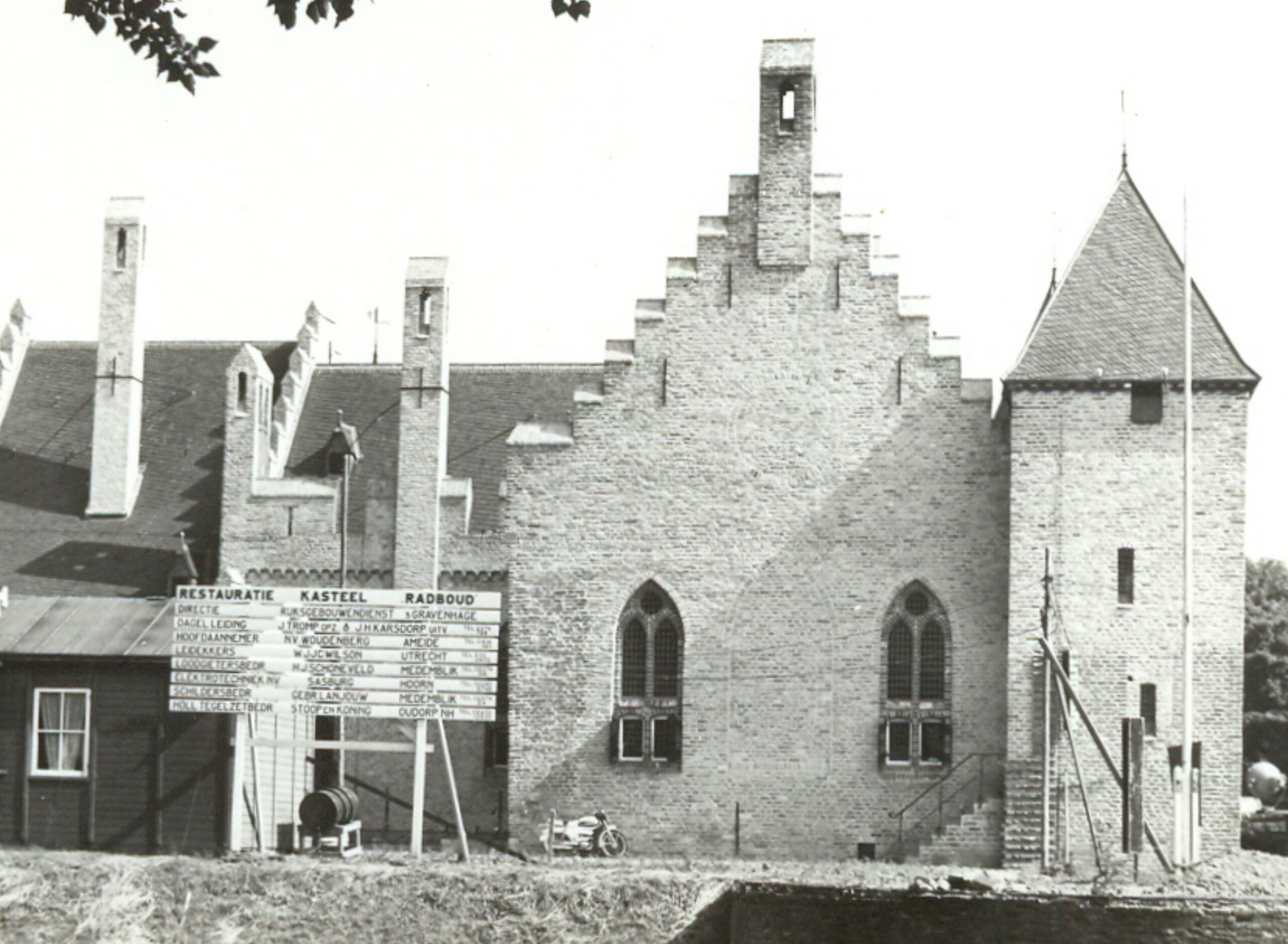
 It is 1972. Radboud Castle has just reopened after extensive renovations in the 1960s, and a manager is needed. Ina de Beer hears about the vacancy through the grapevine and approaches Mayor Bol to express her interest. She is hired for a one-year trial period, which, incidentally, was never formally terminated.
The castle is used intensively: for weddings and parties, official receptions, and even television recordings. Ina has lived there with her husband Henk since 1976. Every month, she is in contact with the Government Buildings Agency and the castle warden to arrange maintenance of the castle. Ina never feels uncomfortable in the often male-dominated world in which she works; the only thing she can't stand are arrogant board members who think they know better.
Ina is an independent woman who firmly holds the reins at the castle and knows exactly what needs to be done. Henk is her rock and entertains visitors with tall tales from his days as a fisherman.
Ina retired in 2006. The castle has since been converted into a museum. She no longer lives at the castle, but in her childhood home in the harbor of Medemblik. Nevertheless, the castle remains a special place in her heart, now as a volunteer with the craft ladies.
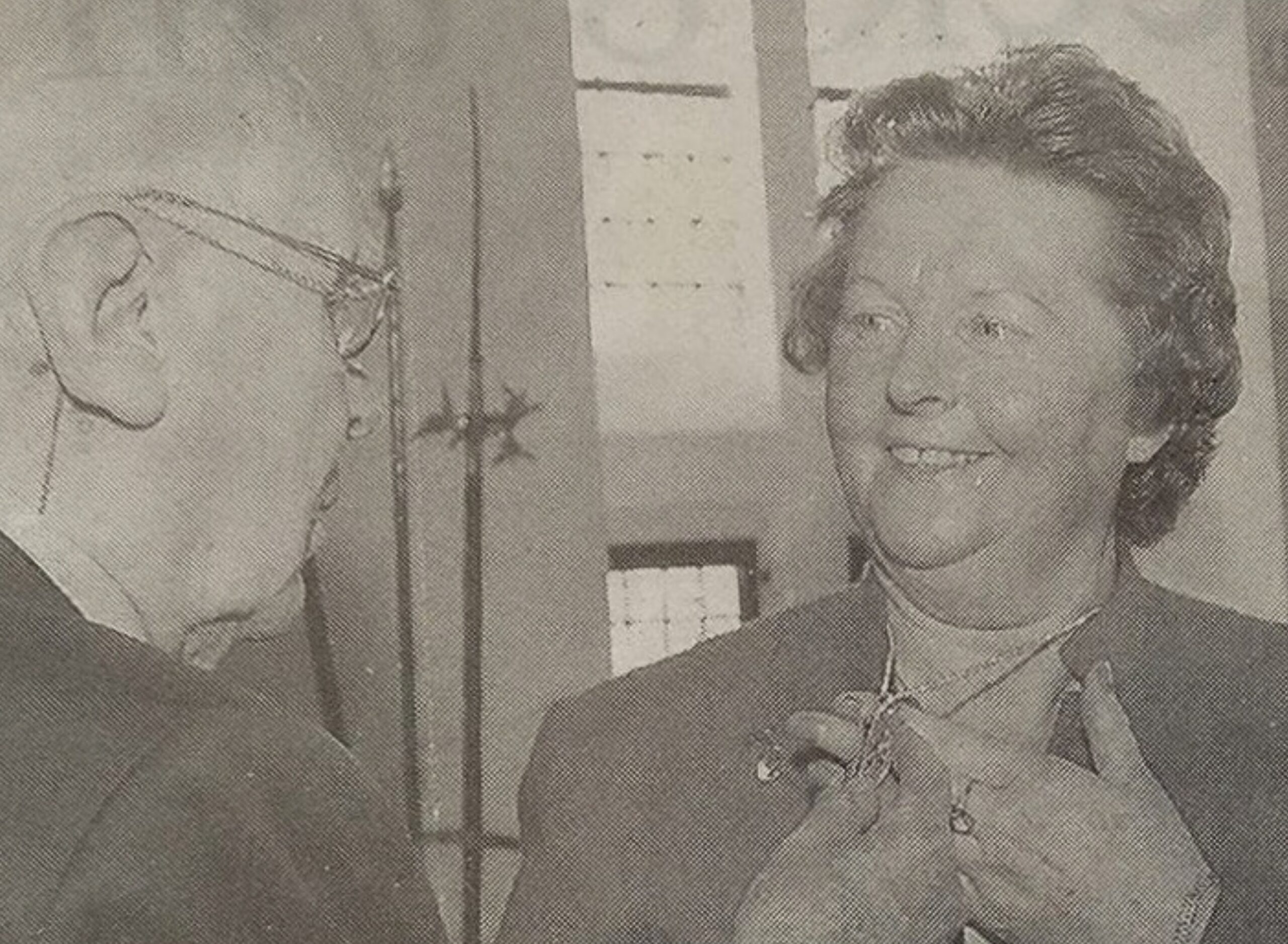
Farewell to Ina
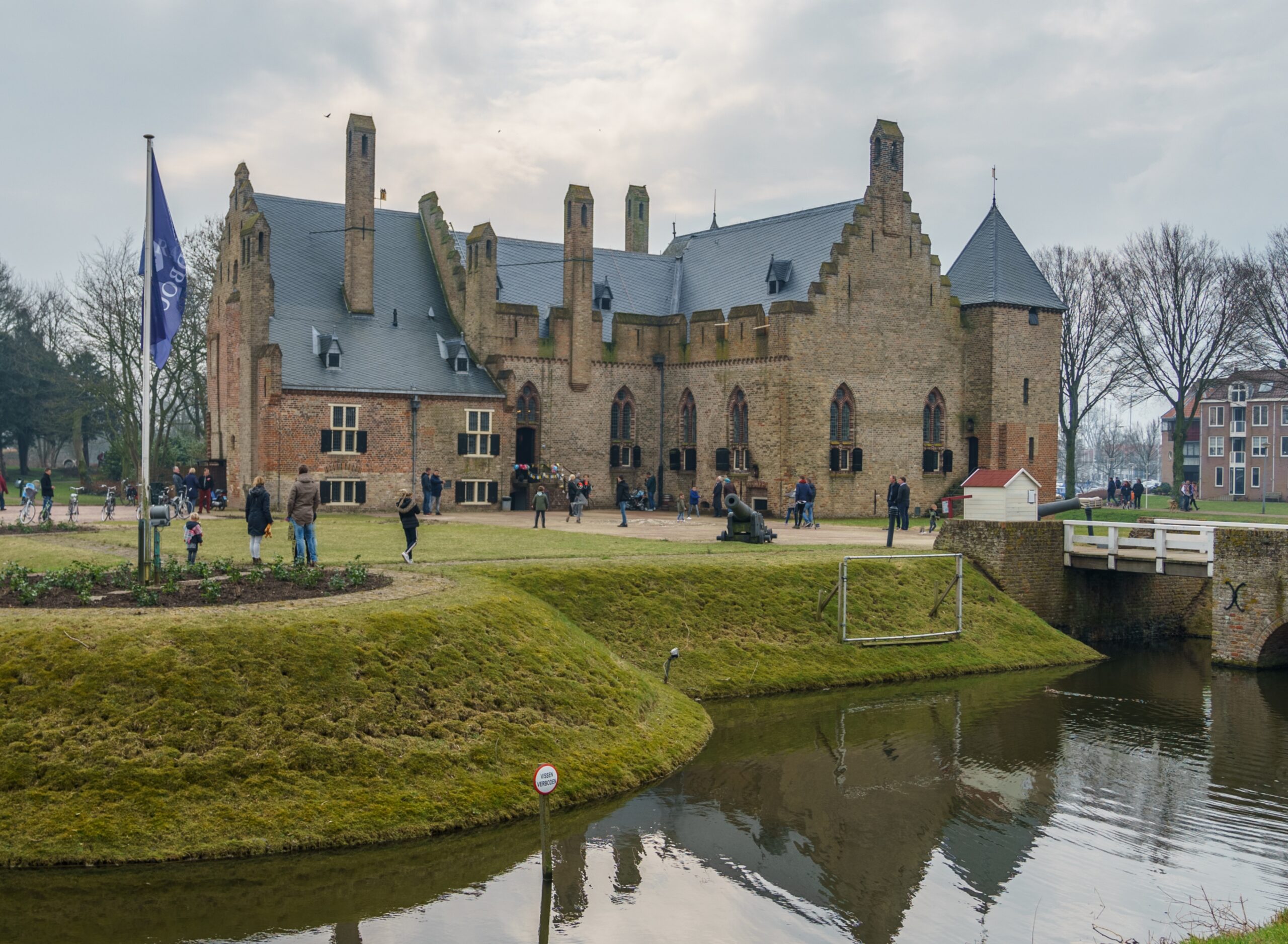
Kasteel Radboud